tester

Use of cookies

We use cookies to improve and analyse your browsing experience on our web. You can accept these cookies, reject them or choose your settings by clicking on the corresponding buttons. Please note that rejecting cookies may affect your browsing experience. For more information you can consult our Cookies policy.

Configure cookies

Cookies are an essential part of how our web works. The main goal of cookies is to make your browsing experience more comfortable and efficient and to improve our services and the web itself.
Here you can find all the information about the cookies we use and you can activate and/or deactivate them according to your preferences, except for those cookies that are strictly necessary for the operation of the web. Blocking some cookies may affect your experience on the web and how the site works. For more information you can visit our Cookie Policy.

Strictly necessary (technical) cookies

These Cookies are necessary for the web to function and cannot be disabled on our systems. They are generally only set up in response to actions you may take such as requesting services, setting your privacy preferences, logging in or completing forms. You can set your browser to block or warn you about these cookies, but some parts of the web will not work. Information about Cookies.

Analytical cookies

These Cookies allow us to count the number of visits and traffic sources so that we can measure and improve the performance of our site. They help us to find out which pages are the most popular and least popular, and to see how visitors move around the web. All information collected by these Cookies is aggregated and therefore anonymous. If you do not allow these Cookies we will not know when you visited our web. Information about Cookies.

Third party cookies

These cookies are used to analyse your activity in order to show you personalised advertisements. Information about Cookies.

Accept Decline Configure cookies Confirm selected
Search
×
Notes
Search
There are no notes
  • UNIDADES DE CAPACIDAD
  • To customise Pencil press Alt + Down Arrow
  • To customise Highlighter press Alt + Down Arrow

    Change theme

    Error - please check your internet connection...
    Back

    Blink Help

    x
    Error - please check your internet connection...

    How can we help you?

    No results

    View full manual

    Couldn't find what you were looking for?

    Please describe the issue you are experiencing and provide as many details as possible. Let us know the book, class, access device, licence code, username, used browser or if it occcurs in our app:

    Thickness:
    Font size:
    Filter
      No resources found
      Font size:
      Revision mode

      Revision mode

      UNIDADES DE CAPACIDAD
      PROYECTO 5: NUESTRO MUSEO DE LAS CIENCIAS
      Without background sound

      4.1.Múltiplos y submúltiplos + ejemplos

      El litro es la unidad principal de medida de capacidad del Sistema Métrico Decimal. Su símbolo es: l.

      Los múltiplos del litro (para medir capacidades mayores) son el decalitro (dal), el hectolitro (hl) y el kilolitro (kl).

      Los submúltiplos del litro (para medir capacidades menores) son el decilitro (dl), el centilitro (cl) y el mililitro (ml).


      Ejemplos:

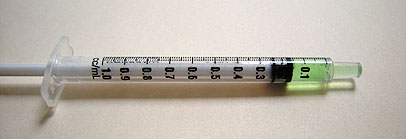
      1 ml. -   
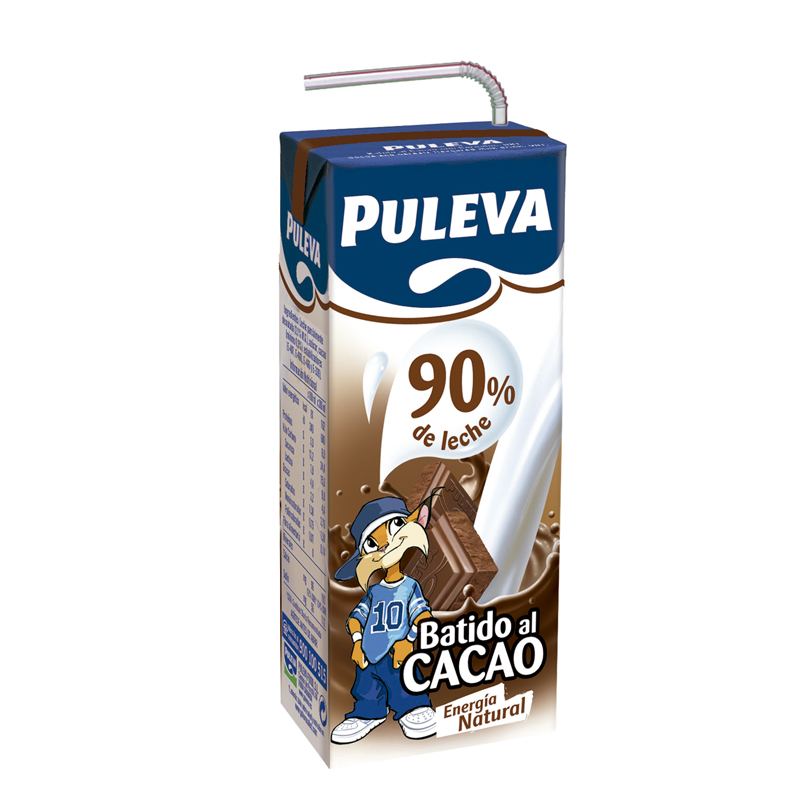
      20 cl. -   


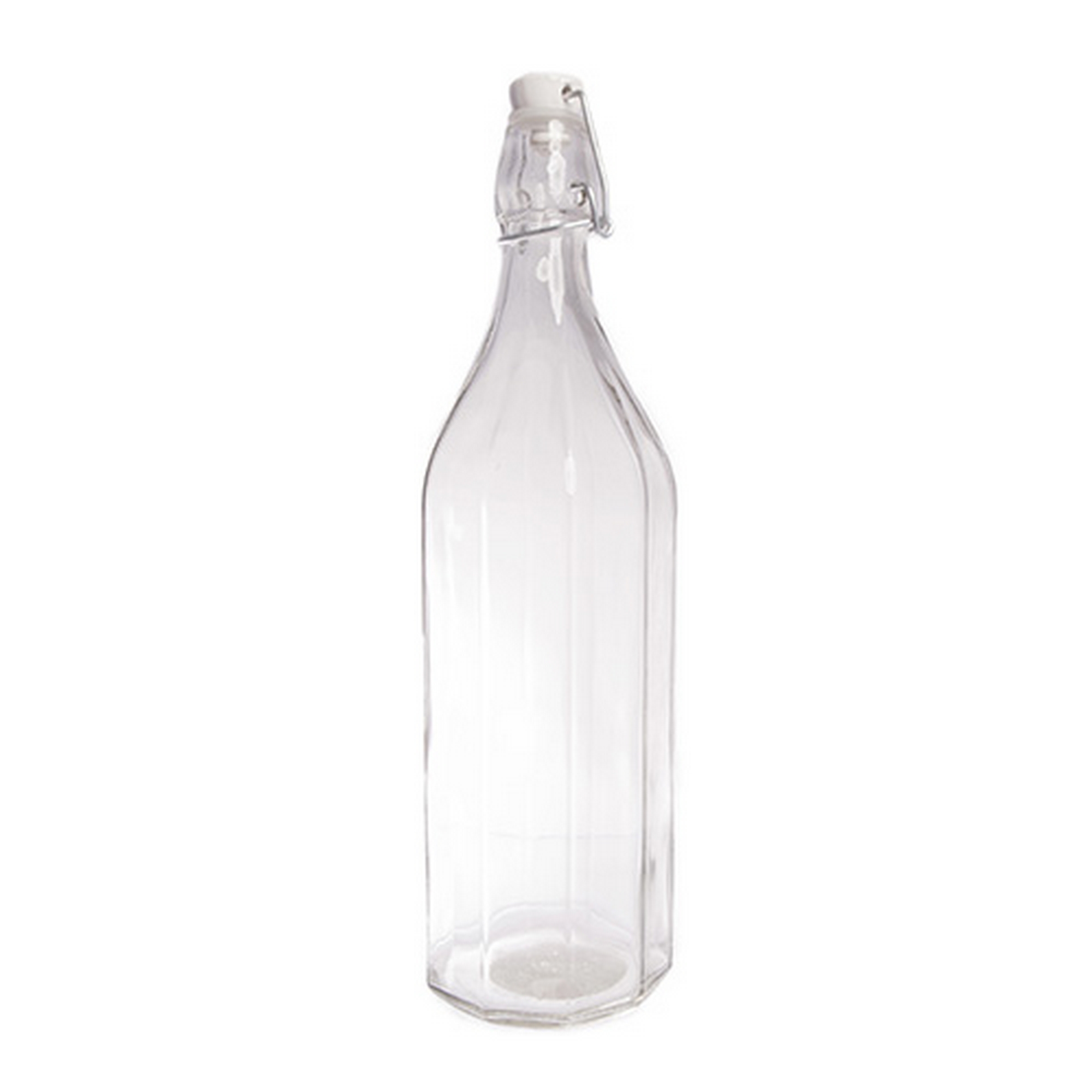
      1 l. -    
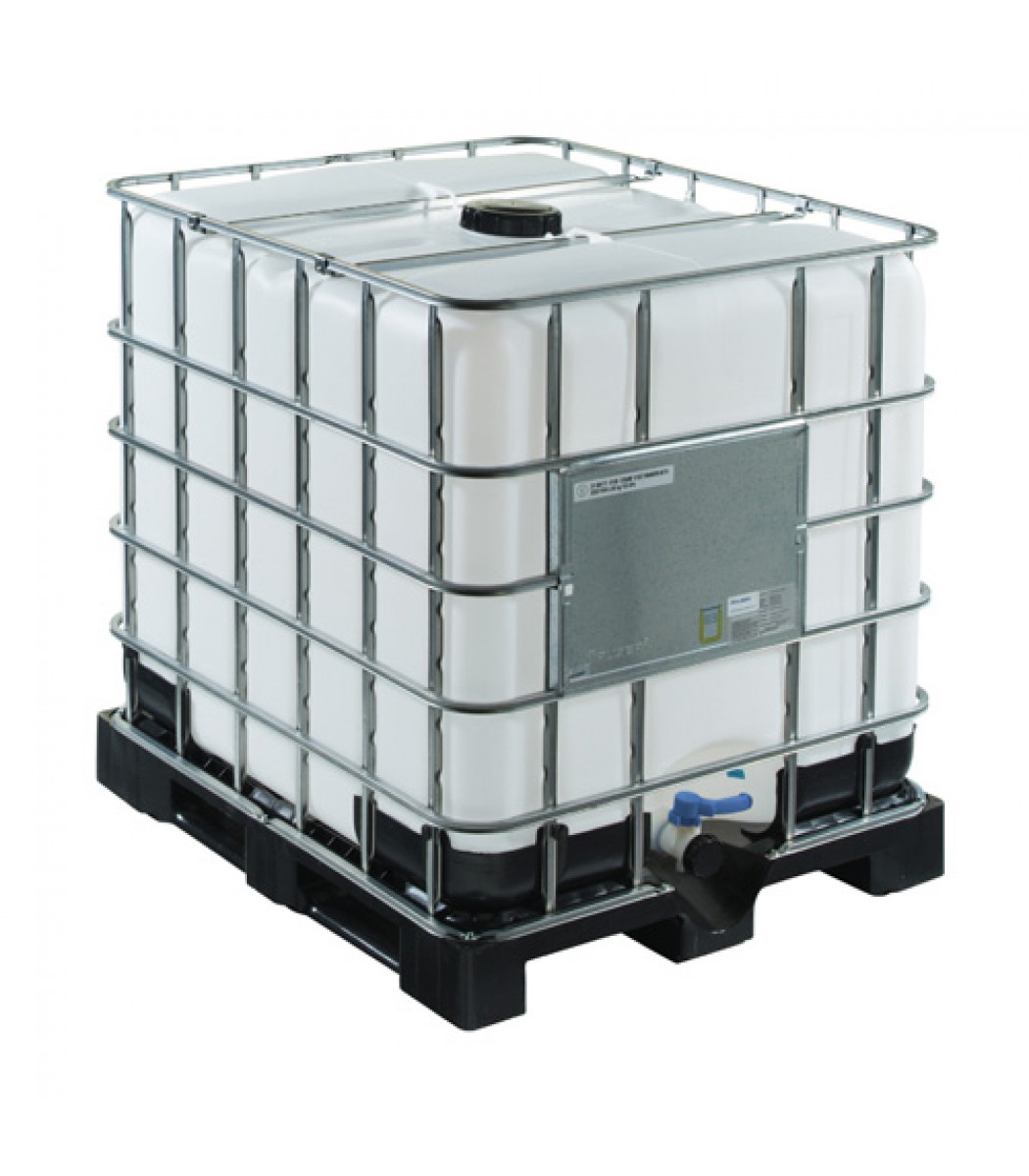
      1 kl. -   


      UNIDADES DE CAPACIDAD
      PROYECTO 5: NUESTRO MUSEO DE LAS CIENCIAS
      Without background sound

      4.2. Instrumentos de medida


      La probeta es un recipiente graduado que usamos en los laboratorios de química para medir el volumen de los líquidos.


      Cuando el volumen que se tiene que medir es muy pequeño, utilizamos otros instrumentos más precisos como las pipetas.


      Para medir volúmenes más grandes utilizamos garrafas graduadas.


      UNIDADES DE CAPACIDAD
      PROYECTO 5: NUESTRO MUSEO DE LAS CIENCIAS
      Without background sound

      4.3 Equivalencias (relaciones entre las mismas) + ejercicios (pasar de una unidad a otra, comparar, ordenar) y problemas.

      Para transformar una unidad de capacidad en otra menor multiplicamos por 10 tantas veces como lugares haya desde una unidad a otra (saltamos de izquierda a derecha).

      Para transformar una unidad de capacidad en otra mayor dividimos por diez tantas veces como lugares haya desde una unidad a otra (saltamos de derecha a izquierda).

      UNIDADES DE CAPACIDAD
      PROYECTO 5: NUESTRO MUSEO DE LAS CIENCIAS
      Without background sound


       ACTIVIDADES


      1. Une estos objetos con las capacidades.

      • Un cubo de fregar

      • Una bañera

      • Una piscina hinchable

      • 2 dal

      • 3 hl

      • 1 kl

      Done
      UNIDADES DE CAPACIDAD
      PROYECTO 5: NUESTRO MUSEO DE LAS CIENCIAS
      Without background sound


      2. Relaciona estas capacidades.

      • 7 kl

      • 7 dal

      • 7 hl

      • 700 l

      • 70 l

      • 7.000 l

      Done
      UNIDADES DE CAPACIDAD
      PROYECTO 5: NUESTRO MUSEO DE LAS CIENCIAS
      Without background sound


      3. Relaciona estas dos columnas.

      • 8 dl

      • 8 cl

      • 8 ml

      • 0,8 l

      • 0,008 l

      • 0,08l

      Done
      UNIDADES DE CAPACIDAD
      PROYECTO 5: NUESTRO MUSEO DE LAS CIENCIAS
      Without background sound


      4. Completa.

      • 2 l =   dl
      • 2 dl = l
      • 5 l = cl
      • 5 cl =  l
      • 3 l = ml
      • 3 ml = l
        0,2 500 0,05 20 0,003 3000

      Done
      UNIDADES DE CAPACIDAD
      PROYECTO 5: NUESTRO MUSEO DE LAS CIENCIAS
      Without background sound


      5. Escribe “V” para las afirmaciones que sean verdaderas y “F” para las afirmaciones falsas. Lee y piensa antes de contestar.

      • Un decilitro es cien veces mayor que un mililitro.
      • Correct answer
        Wrong answer
      • Un decilitro se llama así porque tiene diez litros.
      • Correct answer
        Wrong answer
      • Un litro es diez veces mayor que un decilitro.
      • Correct answer
        Wrong answer
      • Con mil decilitros se completa un hectolitro.
      • Correct answer
        Wrong answer
      • Con quinientos centilitros se completan cincuenta litros.
      • Correct answer
        Wrong answer

      Done
      UNIDADES DE CAPACIDAD
      PROYECTO 5: NUESTRO MUSEO DE LAS CIENCIAS
      Without background sound


      6. Resuelve el problema en tu cuaderno.

      Un camión cisterna se llena con 2.500 litros. ¿Cuántos kilolitros harán falta para llenar 5 camiones como ese?

      Done
      UNIDADES DE CAPACIDAD
      PROYECTO 5: NUESTRO MUSEO DE LAS CIENCIAS
      Without background sound


      7. Resuelve el problema en tu cuaderno.

      Miguel tiene un tonel con 30 dal de aceite que quiere repartir en botellas de 75 cl. ¿Cuántas botellas necesitará?

      Done
      UNIDADES DE CAPACIDAD
      PROYECTO 5: NUESTRO MUSEO DE LAS CIENCIAS
      Without background sound


      8. Ahora nos toca pensar. Tenemos una fuente de agua, una garrafa de 5 litros y otra de 3 litros de capacidad. ¿De qué forma podemos conseguir 4 litros exactamente?


      Done

      ,
      You have completed the lesson!

      Below is the time you have spent on the activity and the score you obtained.

      Time spent

      Score

      1. 1
      2. 2
      3. 3
        Eraser
        Rich text editor
        close