Use of cookies

We use cookies to improve and analyse your browsing experience on our web. You can accept these cookies, reject them or choose your settings by clicking on the corresponding buttons. Please note that rejecting cookies may affect your browsing experience. For more information you can consult our Cookies policy.

Configure cookies

Cookies are an essential part of how our web works. The main goal of cookies is to make your browsing experience more comfortable and efficient and to improve our services and the web itself.
Here you can find all the information about the cookies we use and you can activate and/or deactivate them according to your preferences, except for those cookies that are strictly necessary for the operation of the web. Blocking some cookies may affect your experience on the web and how the site works. For more information you can visit our Cookie Policy.

Strictly necessary (technical) cookies

These Cookies are necessary for the web to function and cannot be disabled on our systems. They are generally only set up in response to actions you may take such as requesting services, setting your privacy preferences, logging in or completing forms. You can set your browser to block or warn you about these cookies, but some parts of the web will not work. Information about Cookies.

Analytical cookies

These Cookies allow us to count the number of visits and traffic sources so that we can measure and improve the performance of our site. They help us to find out which pages are the most popular and least popular, and to see how visitors move around the web. All information collected by these Cookies is aggregated and therefore anonymous. If you do not allow these Cookies we will not know when you visited our web. Information about Cookies.

Third party cookies

These cookies are used to analyse your activity in order to show you personalised advertisements. Information about Cookies.

Accept Decline Configure cookies Confirm selected
Search
×
Notes
Search
There are no notes
  • ByG ud2 ep1 El reino de los moneras
  • To customise Pencil press Alt + Down Arrow
  • To customise Highlighter press Alt + Down Arrow

    Change theme

    Error - please check your internet connection...
    Back

    Blink Help

    x
    Error - please check your internet connection...

    How can we help you?

    No results

    View full manual

    Couldn't find what you were looking for?

    Please describe the issue you are experiencing and provide as many details as possible. Let us know the book, class, access device, licence code, username, used browser or if it occcurs in our app:

    Thickness:
    Font size:
    Filter
      No resources found
      Font size:
      Revision mode

      Revision mode

      ByG ud2 ep1 El reino de los moneras
      Muestras - unidades maestras (Secundaria AE)
      Without background sound
      Logo


      1.1

      Cómo son los moneras

      Los moneras son organismos procariotas, unicelulares, que pueden ser autótrofos o heterótrofos.

      El grupo más abundante de moneras son las bacterias, seres microscópicos capaces de adaptarse a todos los medios (acuático, terrestre y aéreo) y al interior de los seres vivos. Son capaces de resistir las condiciones más extremas de temperatura, acidez, salinidad, etc.


      Tipos de bacterias

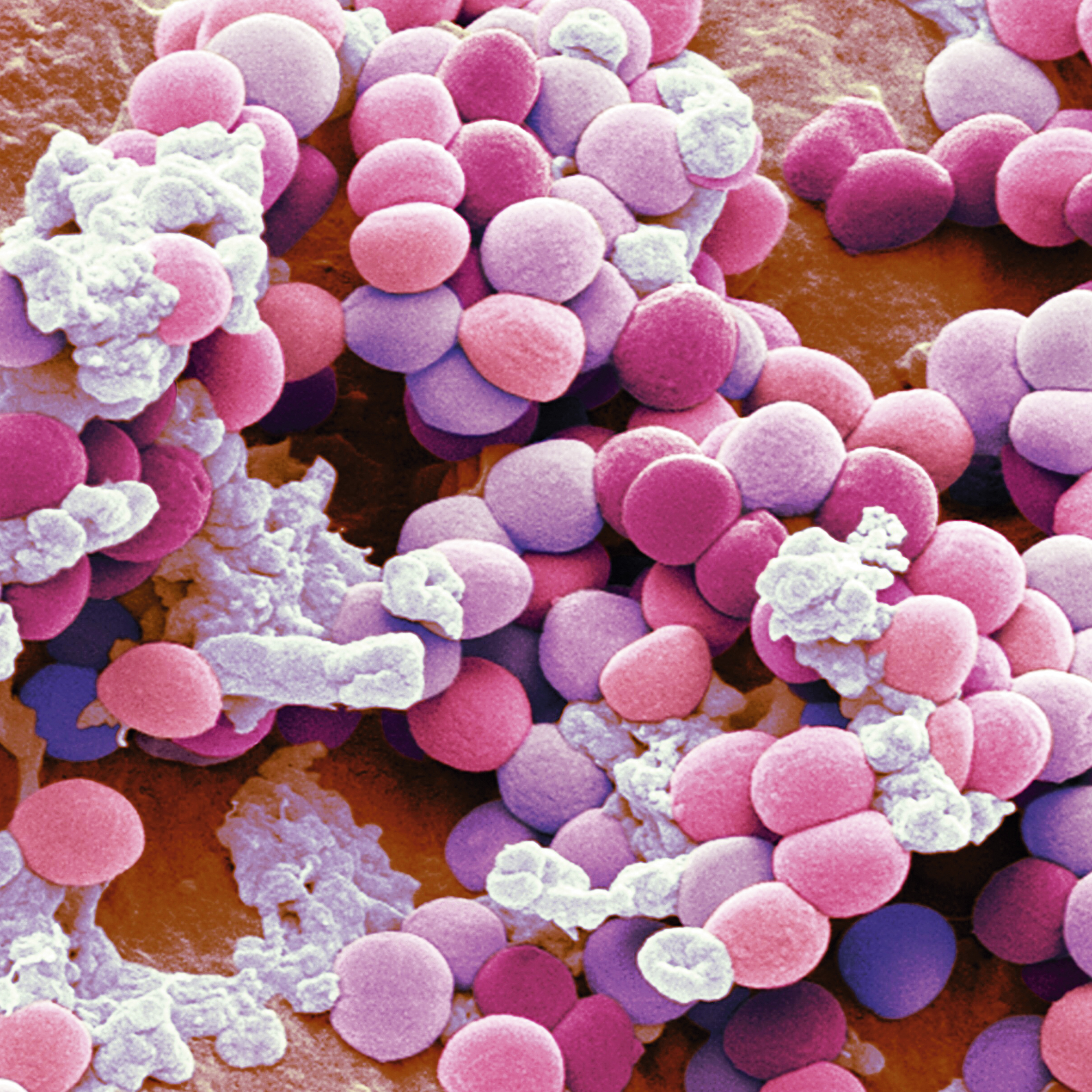
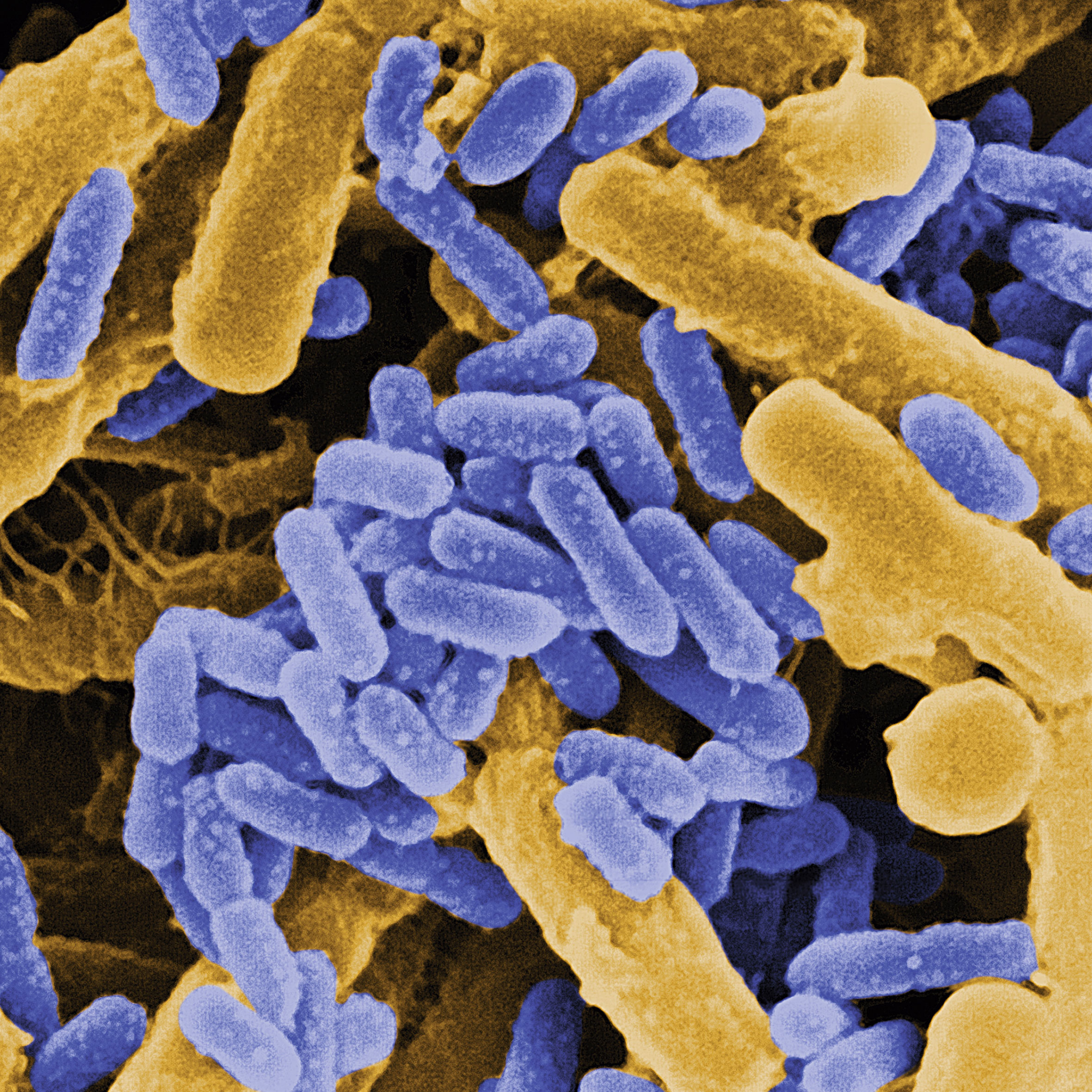
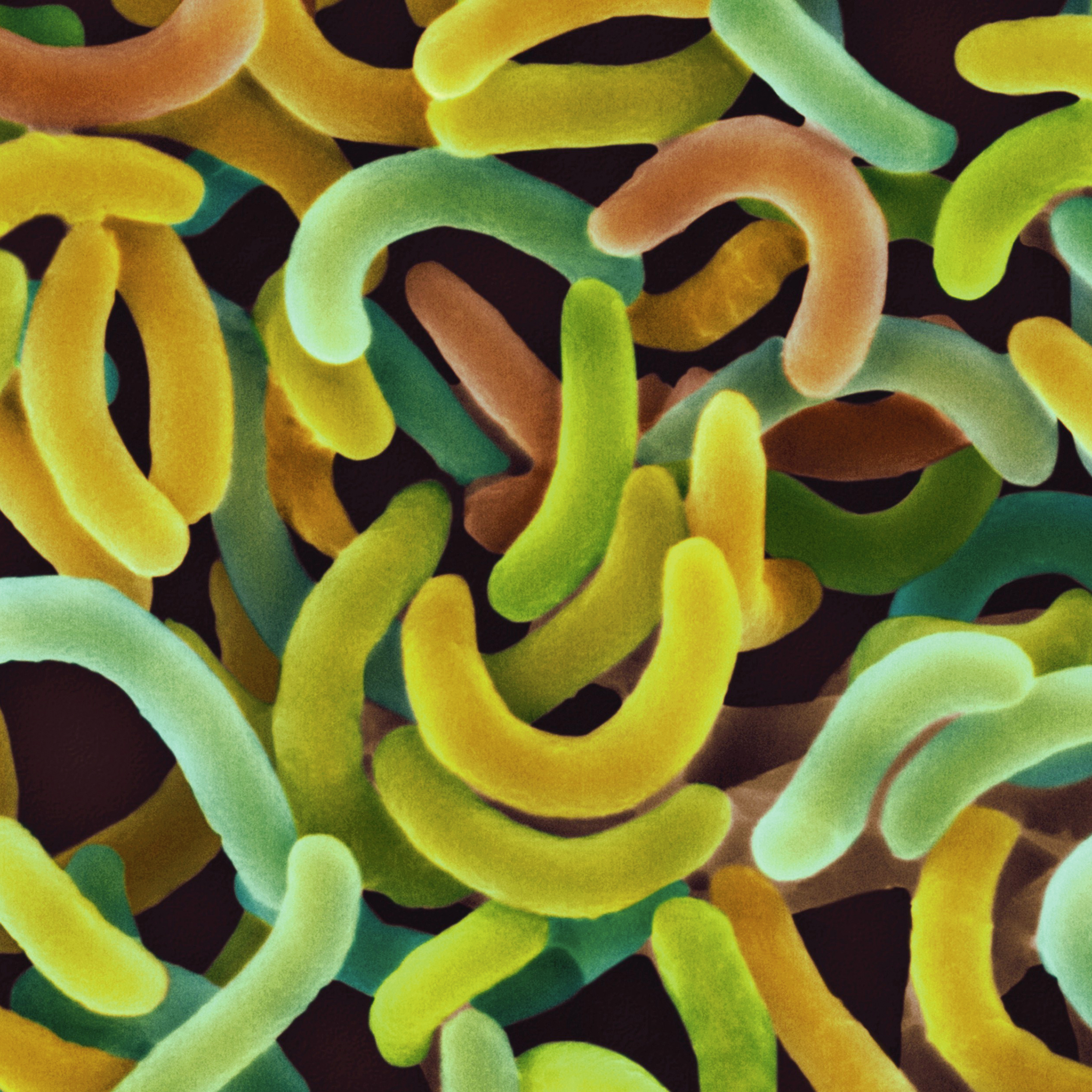
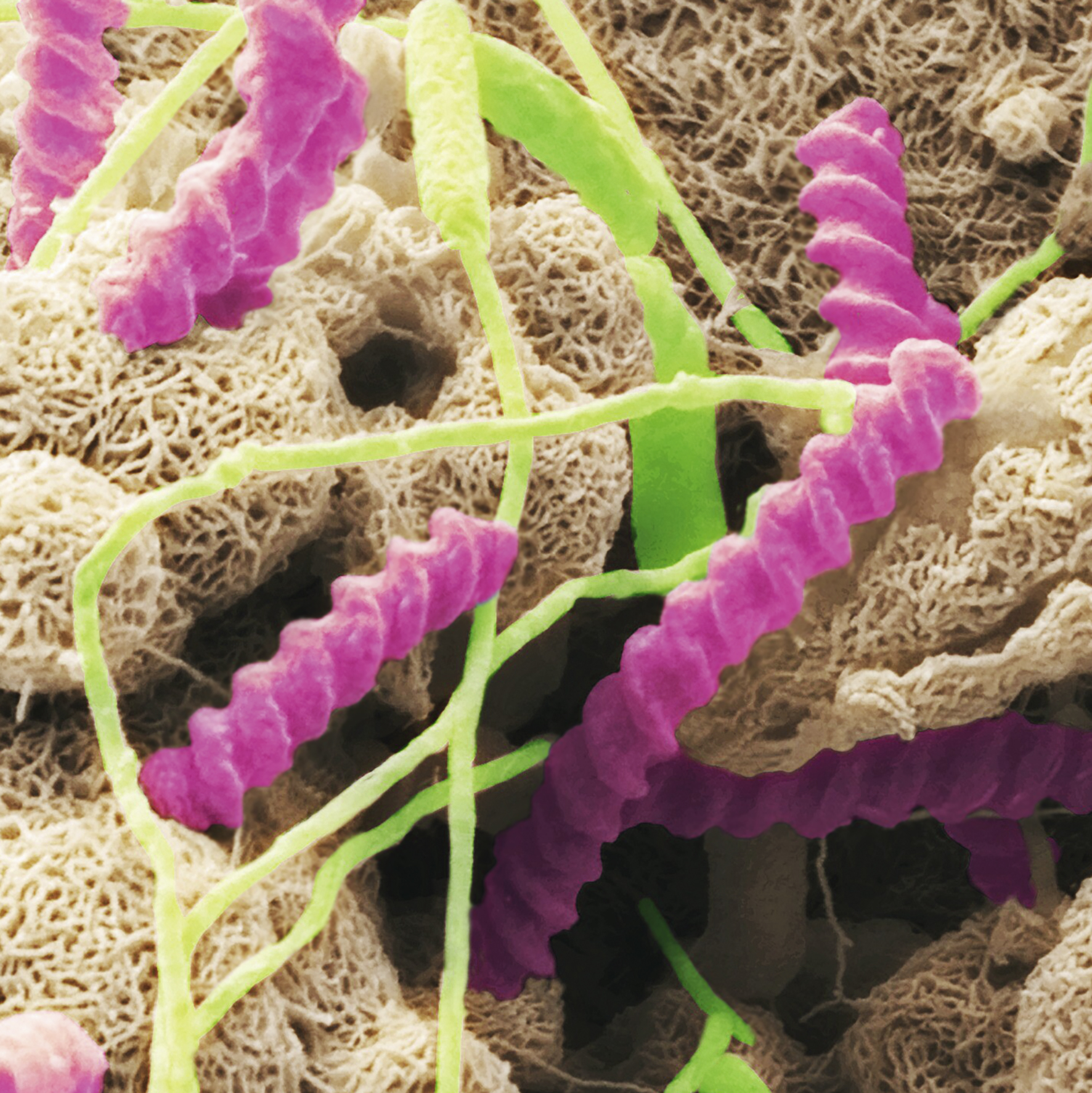
      Según su forma, las bacterias se clasifican en cocos, bacilos, vibrios, espirilos y espiroquetas.

      • Cocos, que tienen forma de esfera.
      • Bacilos, que tienen forma de bastoncillo.
      • Vibrios, que tienen forma de coma.
      • Espirilos y espiroquetas, que tienen forma de espiral alargada.

      Algunos tipos de bacterias

      Cocos
      Bacilos
      Vibrios
      Espiroquetas
       

      ByG ud2 ep1 El reino de los moneras
      Muestras - unidades maestras (Secundaria AE)
      Without background sound
      Logo


      Las funciones vitales de las bacterias


      • Cómo se nutren. Al no tener orgánulos como cloroplastos o mitocondrias, todos los procesos de la nutrición suceden en el citoplasma. Hay bacterias autótrofas, que sintetizan su propia materia orgánica mediante la fotosíntesis, y heterótrofas, que se alimentan de la materia orgánica de otros seres vivos.
      • Bacterias saprófitas o descomponedoras, que se nutren de restos de materia orgánica del medio. Por ejemplo, las bacterias del suelo.
      • Bacterias simbióticas, que establecen relaciones de ayuda mutua con otros seres vivos, llamadas simbiosis. Por ejemplo, las que se encuentran en el intestino formando la microbiota intestinal.
      • Bacterias parásitas, que obtienen la materia orgánica de organismos en los que viven y a los que perjudican. Estas bacterias producen enfermedades como la tuberculosis.
      • Cómo se relacionan. Algunas bacterias se desplazan gracias a sus flagelos, las bacterias espirales giran, otras se mueven girando sobre sí mismas, otras se deslizan sobre superficies y otras permanecen inmóviles. Normalmente, las bacterias viven aisladas, pero en ocasiones se agrupan formando colonias.
      • Cómo se reproducen. Las bacterias se reproducen asexualmente, por bipartición, dividiendo en dos su única célula.

      La bipartición


      1.2

      La importancia de las bacterias


      Las bacterias están presentes en todos los medios y desempeñan un papel fundamental para el resto de seres vivos. Aunque algunas son perjudiciales, la mayoría son beneficiosas.

      • Las bacterias beneficiosas. Las bacterias que están en nuestro organismo ayudan a su buen funcionamiento. Las bacterias descomponedoras se utilizan en la depuración de aguas residuales, en el tratamiento de residuos, etc. Las bacterias fotosintéticas oxigenan el agua y la atmósfera; otras, llamadas fermentativas, se utilizan para fabricar queso, yogur o vinagre.
      • Las bacterias perjudiciales. Algunas bacterias pueden provocar enfermedades como el tétanos, la salmonelosis, etc. Otras contaminan los alimentos y los estropean.


      Actividades

      1

      2

      3

      4

      5


      ,
      You have completed the lesson!

      Below is the time you have spent on the activity and the score you obtained.

      Time spent

      Score

      1. 1
        Eraser
        Rich text editor
        close